
A Beginner’s Guide to Stretching at Home for Flexibility and Relaxation
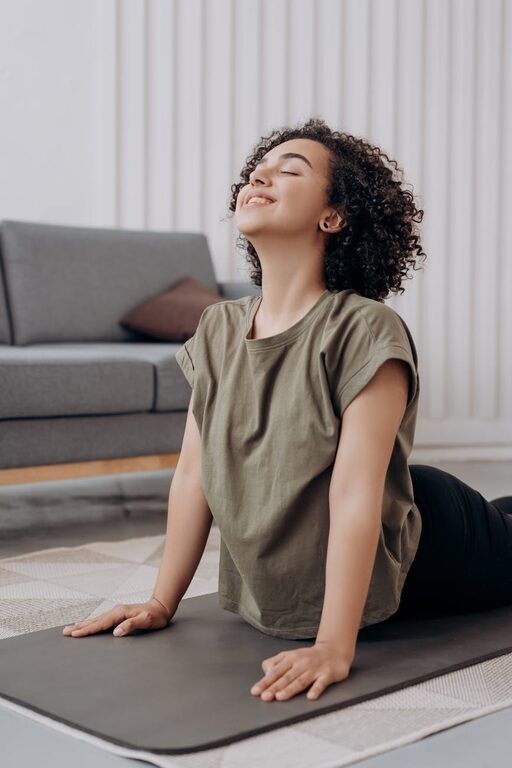
Stretching at home is a fantastic way to enhance your flexibility, improve circulation, and release muscle tension without needing any special equipment or a gym membership. Whether you’re new to stretching or want to establish a regular routine, this beginner’s guide will walk you through the basics, benefits, and some easy stretches you can do right in your living room.
Why Stretching Matters
Stretching offers many physical and mental benefits, including:
– Improved flexibility: Helps your muscles and joints move more freely.
– Reduced muscle tension: Eases stiffness and enhances comfort, especially after sitting or working.
– Better posture: Loosens tight muscles that can pull your body out of alignment.
– Injury prevention: Prepares muscles and joints for movement and reduces the risk of strains.
– Stress relief: Stretching can calm your mind and reduce feelings of stress.
Starting slowly and listening to your body ensures a safe and effective stretching routine.
Preparing to Stretch at Home
Before you begin, here are a few tips to set yourself up for success:
– Create a comfortable space: Find a quiet area with enough room to move freely.
– Wear comfortable clothing: Choose clothes that allow easy movement.
– Use supportive surfaces: A yoga mat or carpet can provide cushioning.
– Warm up briefly: Light walking or marching in place for 3-5 minutes can prepare your muscles.
– Breathe steadily: Focus on deep and relaxed breathing throughout your stretches to improve oxygen flow and relaxation.
Basic Stretching Guidelines
For beginners, follow these simple rules:
– Hold each stretch for 15-30 seconds: This duration helps improve muscle length gradually.
– Avoid bouncing: Stretch gently and steadily to prevent injury.
– Feel a gentle pull, not pain: Stretch until you feel mild tension; stop if you feel sharp discomfort.
– Stretch both sides equally: Balance is key to preventing imbalances and injuries.
– Incorporate stretching into your daily routine: Consistency matters more than intensity for progress.
Easy Stretching Exercises for Beginners
Here are some gentle stretches to get you started. Remember to move slowly and obey the comfort signals from your body.
1. Neck Stretch
– Sit or stand tall.
– Slowly tilt your head to the right, bringing your ear toward your shoulder.
– Hold for 20 seconds, feeling the stretch along the left side of your neck.
– Repeat on the left side.
2. Shoulder Rolls
– Stand or sit with your back straight.
– Lift your shoulders up toward your ears.
– Roll them backward in a circular motion for 10 repetitions.
– Reverse direction for 10 more rolls.
3. Chest Opener
– Stand with feet hip-width apart.
– Clasp your hands behind your back and straighten your arms.
– Gently lift your chest toward the ceiling and squeeze your shoulder blades together.
– Hold the stretch for 20-30 seconds while breathing deeply.
4. Seated Forward Bend
– Sit on the floor with your legs extended straight in front.
– Inhale and lengthen your spine.
– Exhale and hinge from your hips to reach toward your toes with your hands.
– Keep your back as straight as possible.
– Hold for 20-30 seconds, feeling the stretch in your hamstrings and lower back.
5. Cat-Cow Stretch (Spinal Mobility)
– Get on your hands and knees in tabletop position.
– Inhale as you arch your back, dropping your belly and lifting your head (Cow).
– Exhale as you round your spine, tucking your chin and tailbone (Cat).
– Repeat 8-10 times, moving with your breath.
6. Standing Quad Stretch
– Stand tall and hold onto a chair or wall for balance if needed.
– Bend your right knee, bringing your heel toward your buttocks.
– Hold your ankle with your right hand and keep knees close together.
– Hold for 20-30 seconds, then switch sides.
7. Child’s Pose
– Kneel on the floor, sit back on your heels, and stretch your arms forward.
– Lower your chest toward the floor and rest your forehead down.
– Breathe deeply and relax in this position for 30 seconds to 1 minute.
Tips for Making Stretching Part of Your Daily Life
To get the most out of your stretching routine, consider these strategies:
– Stretch right after waking up to loosen your body.
– Take short stretching breaks during long periods of sitting.
– Stretch before and after physical activities to prepare muscles and aid recovery.
– Combine stretching with other relaxing activities like reading or gentle music.
– Track your progress over weeks to notice improvements in flexibility and comfort.
When to Be Cautious
If you have any pre-existing medical conditions, injuries, or chronic pain, consult a healthcare professional before beginning a new stretching routine. Always stop any stretch that causes sharp or sudden pain and adjust or skip the movement if needed.
—
Stretching at home is an accessible, effective way to enhance your physical and mental well-being. With consistent practice and mindful movement, you’ll notice increased flexibility, reduced tension, and a greater sense of relaxation that supports your daily life.
Start small, be patient with your body, and enjoy the many benefits that come with this simple yet powerful practice!