
How to Plan Meals Effectively Using Pantry Staples
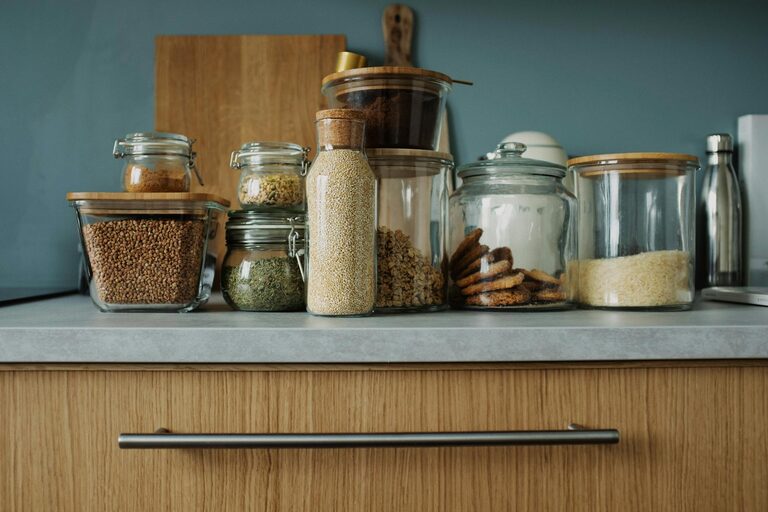
Planning meals using pantry staples is a smart way to save time, money, and reduce food waste. Your pantry can be a treasure trove of ingredients that, when combined thoughtfully, can create a variety of satisfying dishes. This guide offers practical tips for meal planning based on the essentials you likely already have at home.
Why Use Pantry Staples for Meal Planning?
Using pantry staples for your meals offers several benefits:
– Convenience: You don’t need to run to the store every time you cook.
– Cost-effective: Staples like rice, beans, and canned goods are usually affordable and have a long shelf life.
– Versatility: Staples can be combined in many ways to create diverse meals.
– Waste reduction: Planning with what you have reduces the chance of food spoilage.
Step 1: Take Inventory of Your Pantry
Before you plan meals, know exactly what you have on hand. Here’s how to do it:
– Clear out expired items: Toss anything that’s past its best-before date.
– Organize shelves: Group items by category—grains, canned goods, spices, baking essentials.
– Make a list: Write down quantities and any notes about ingredients.
Having a clear inventory lets you understand your available ingredients and inspires meal ideas.
Step 2: Identify Your Pantry Staples
Some staples are common in most households and can serve as the base for many meals:
– Grains: rice, pasta, quinoa, oats
– Legumes: canned beans, lentils, chickpeas
– Canned goods: tomatoes, corn, tuna
– Flours and baking essentials: all-purpose flour, baking powder, yeast
– Oils and vinegars: olive oil, vegetable oil, balsamic vinegar
– Spices and herbs: salt, pepper, garlic powder, dried oregano, cumin
– Broths and sauces: canned or boxed stock, soy sauce, hot sauce
These ingredients can be combined in countless ways to make soups, salads, pastas, and more.
Step 3: Plan Balanced Meals
A healthy meal usually includes protein, carbohydrates, and vegetables or fruits. When planning meals with pantry staples, consider these components:
– Protein: Canned beans, lentils, tuna, or peanut butter can serve as protein sources.
– Carbohydrates: Rice, pasta, or bread provide energy-rich carbs.
– Vegetables: Look for canned vegetables or consider frozen options for freshness.
– Flavor: Use spices, herbs, and sauces to add depth to your dishes.
Example Meal Ideas
– Chickpea curry: Chickpeas, canned tomatoes, coconut milk (if available), and spices served over rice.
– Tuna pasta salad: Canned tuna, pasta, canned corn, and a simple vinaigrette.
– Rice and beans bowl: Rice, black beans, canned tomatoes, topped with spices and hot sauce.
Step 4: Recipe Inspiration and Flexibility
Don’t be afraid to get creative! Here are tips for flexible meal planning:
– Use staple ingredients as a base and swap proteins or veggies depending on availability.
– Experiment with herbs and spices to vary flavors.
– Combine canned goods with fresh or frozen produce for freshness.
– Repurpose leftovers into new meals, like turning rice and beans into stuffed peppers or burritos.
Step 5: Create a Weekly Meal Plan
To make meal planning efficient, try this approach:
- Review your pantry inventory and list meals you can prepare this week.
- Jot down any fresh ingredients you need to buy, focusing on complementary vegetables or fruits.
- Schedule meals so ingredients are used before they spoil.
- Leave space for flexibility—you might want to swap meals depending on your mood or availability.
Step 6: Shop Smart to Supplement Your Staples
While pantry meals can be made mostly from existing ingredients, supplementing with a few fresh or frozen items helps balance nutrition and adds variety. Consider:
– Fresh vegetables like onions, carrots, or leafy greens.
– Fresh fruits for snacks or desserts.
– Protein sources like eggs, yogurt, or cheese if you eat dairy.
Buying in small quantities or frozen options can help keep waste low.
Step 7: Keep Your Pantry Stocked for Future Meals
To make future meal planning easier:
– Restock pantry staples as you use them.
– Buy versatile ingredients that have a long shelf life.
– Consider bulk buying items you use frequently.
– Organize your pantry regularly to keep track of supplies.
Bonus Tips for Success
– Use clear containers: They help you see what you have at a glance.
– Label items: Include purchase and expiration dates for easy reference.
– Freeze excess: Some bread, cooked grains, or leftovers freeze well to extend shelf life.
– Meal prep: Cook in batches using pantry staples and store portions for busy days.
—
Using pantry staples is a wonderful way to build nourishing meals without stress or wasted food. With a little planning and creativity, you can turn simple ingredients into tasty dishes enjoyed by the whole family. Start by taking inventory today and embracing the possibilities your pantry offers!